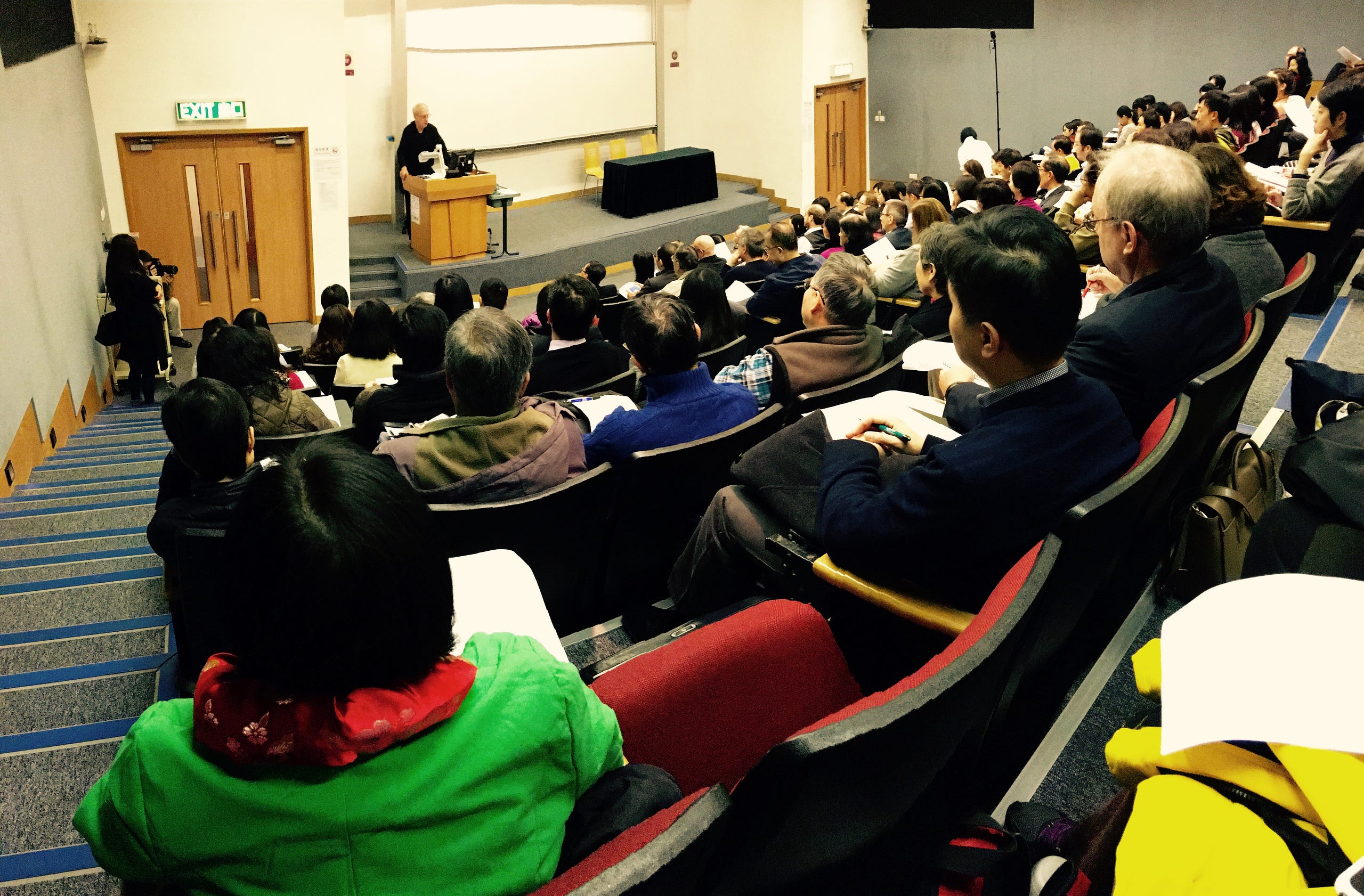
Examinations and Assessments : Uses and Misuses in 21st Century Education” 考試與評估:在21世紀教育的功用與誤用
Lovelyn Wong (“Assessment serves useful purpose”, February 16) advises parents not to be too hasty in calling for an end to the Primary Three Territory-wide System Assessment (TSA).
Ms Wong argues that tests help reveal students’ weaknesses and helps teachers improve their instruction.
This argument has been used to justify increased testing in the US as well.
There is no evidence that it is true; in fact, studies done at the secondary school level comparing grades teachers give students and standardised tests show that grades are an excellent predictor of future academic success, and standardised tests do not add additional information.
There are, in addition, plausible reasons to think that teacher evaluation of students is better than standardised tests.
The repeated judgments of professionals who are with students every day is probably more valid than a test created by distant strangers and given only once.
Moreover, teacher evaluations of students are “multiple measures”, done by different teachers in different years, are closely aligned to the curriculum, and cover all subjects.
Arguments for giving students a standardised test must be accompanied by evidence showing that they do a better job than grades alone.
Stephen Krashen, professor emeritus, University of Southern California
Originally published at www.scmp.com.